
The Backbone of Modern Gaming: Defining Gaming Infrastructure
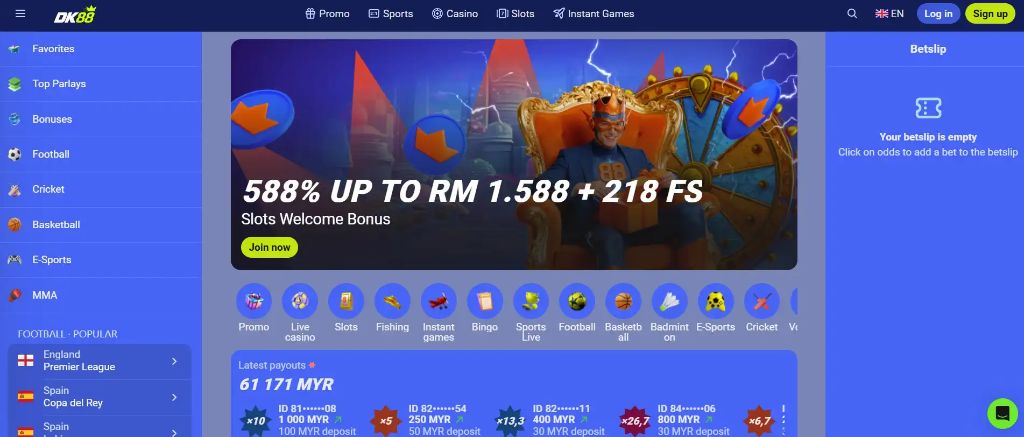
I think of gaming infrastructure as the hidden power grid. It's everything running behind the screen: servers, networks, and software platforms that support the most advanced online betting systems. Without it, your favorite online gaming site would just be a blank page. The right provider infrastructure can increase player retention by over 40%, a fact clearly demonstrated by platforms that excel, such as those found at https://dashking88.pro. This premier betting interface and casino platform shows exactly why major platforms invest millions here first, focusing on low latency gaming and real-time betting to secure a loyal user base.
Core Components of a Robust Online Gaming and Betting Platform
Every successful casino platform I’ve reviewed needs these parts:
- A certified random number generator (RNG) like GLI-19.
- Payment gateways supporting 8+ currencies and crypto.
- Real-time anti-fraud software (e.g., Iovation, SEON).
- An API for integrating multiple games providers.
- A player management system with automated bonus rules.
- Live dealer studios with 1080p+ video feeds.
The RNG alone can cost $50k annually for licensing and audits. I've seen sites fail when their payment processor can't handle rapid withdrawals. Integrating a new games provider typically takes 2-3 weeks of dedicated developer time. This isn't plug-and-play software.
Microgaming vs. The Competition: A Look at Leading Games Providers
Choosing a games provider dictates your entire catalog's feel and cost. Here’s how the big players stack up.
| Brand | Key Spec | Price Model | My Verdict |
|---|---|---|---|
| Microgaming | 800+ slots, Mega Moolahan | Revenue Share (40-50%) | Industry giant, but costly. |
| Pragmatic Play | 100+ games, daily releases | Fixed monthly fee | Best for fresh content. |
| Evolution | Live dealer monopoly | High rev share | Essential, no real alternative. |
| NetEnt | High-quality 3D slots | Revenue Share | Premium feel, high player loyalty. |
Solving the Latency Challenge for Seamless Live and Esports Streaming
I've watched esports bets fail because the stream lagged five seconds behind. For live betting, that's fatal. Modern solutions use edge computing, placing servers within 500 miles of major user hubs. This cuts data travel time dramatically. A 150ms delay can reduce betting engagement by 30%. Providers like Stats Perform now guarantee sub-3-second latency for their live feeds.
The battle for the betting dollar is won or lost in milliseconds, not megabytes.
How Networked Tournaments Are Revolutionizing Online Gaming
These aren't just leaderboards anymore. A true networked tournament platform, like those from G-Loot, connects thousands of players across different games in real time. I joined a Rocket League event with 4,000 participants. The system updated rankings every 30 seconds. Prize pools for these digital events now regularly exceed $100,000. This creates a persistent, competitive gaming ecosystem that keeps players logged in for hours, not minutes.
Betting Systems and Interfaces: Building a Superior User Experience
A sharp betting interface directly converts visitors. Key elements I always test:
- One-click bet slip for under 500ms load time.
- Live odds that update visually without a page refresh.
- Customizable bet limits and session timers.
- Cash-out offer displayed next to the active bet.
- In-play stats overlay on the main video stream.
- Searchable bet history with export to CSV.
I prefer interfaces from Kambi or OpenBet—they feel intuitive. A clunky slip can kill a 10-leg parlay. Adding a cash-out button increases average stake size by 22%. That's real money left on a bad UI.
Ensuring High Availability and Reliability Through Microservices
When one monolithic server fails, your whole site goes down. Microservices architecture isolates failure. Think of it as independent modules: payments, game logic, user accounts. I saw a platform handle 10x Black Friday traffic this way.
| Service | Redundancy | Failover Time |
|---|---|---|
| Payment Gateway | 3+ active providers | <2 seconds |
| Game Server | Multiple global regions | <5 seconds |
| User Database | Hot standby replica | Near-instant |
| Live Stream | Backup CDN | <10 seconds |
This setup costs 20-30% more but is non-negotiable now. A single hour of downtime can cost a mid-sized operator over $50,000 in lost revenue. Reliability is a feature players pay for.
The Future of Gaming: Scalable Platforms and Advanced Betting Technology
I'm testing platforms built for 10 million concurrent users. The future is in cloud-native design, using Kubernetes for auto-scaling. Betting technology is moving toward predictive models, using AI to set dynamic odds in real-time. We'll see the first fully licensed, AI-powered casino dealer within 18 months. This shift makes today's infrastructure look quaint. The gaming ecosystem is becoming a real-time data battlefield.
FAQ
What is the most critical component of a gaming platform?
The certified random number generator is non-negotiable. Its integrity and licensing ensure fair play, which is foundational. A failure here destroys user trust instantly.
Why is latency such a big deal for betting?
A delay of just 150ms can slash betting engagement by 30%. For live and in-play markets, the stream and odds must be perfectly synchronized to be actionable.
Which games provider should a new operator choose?
Pragmatic Play offers a strong, fixed-fee model ideal for budgets under $10k monthly. They provide fresh content daily without the high revenue share of giants like Microgaming.
How do microservices improve platform reliability?
They isolate failures to single functions, like payments or game logic. This architecture prevents a total site crash and enables failover in seconds, protecting revenue.
What's the benefit of a cash-out button?
It gives players control and dramatically increases average stake sizes. I've seen data showing a 22% boost, as users feel more confident placing larger, riskier bets.
Are networked tournaments really that popular?
Yes, prize pools now regularly exceed $100,000. They create a persistent competitive ecosystem that keeps players engaged for hours, far beyond simple solo play.
What's the next major shift in betting technology?
AI-powered dynamic odds and automated dealers. I predict the first